

Explore the essentials of international trade policies in this quick guide, designed to enhance understanding and informed decision-making.
In the increasingly globalized marketplace, international trade policies play a pivotal role in shaping economic landscapes worldwide. These policies are a set of rules and agreements that govern how countries engage in trade with each other, impacting everything from tariffs and trade barriers to import/export regulations and quotas. Understanding these policies is essential for businesses, policymakers, and economists, as they influence the flow of goods and services, affect market access, and determine the competitive dynamics between nations.
Historically, international trade policies have evolved to address the complex needs of a global economy. The establishment of organizations such as the World Trade Organization (WTO) has been instrumental in promoting free trade and resolving disputes among trading nations. Moreover, regional trade agreements, like NAFTA and the European Union, have further shaped the contours of international commerce, demonstrating the balance between cooperation and competition.
The landscape of international trade is continually evolving, with emerging trends and challenges such as digital trade, sustainability, and geopolitical tensions. Businesses and policymakers must stay informed about these dynamics to navigate the intricacies of global trade successfully. By delving into the nuances of these policies, one can better appreciate their impact on international relations and economic growth.
Stay ahead in global business and economics—explore cutting-edge research and insights with Global Business & Economics Journal. Subscribe today to unlock expert analyses, real-world case studies, and valuable trends that drive success in today’s interconnected marketplace.
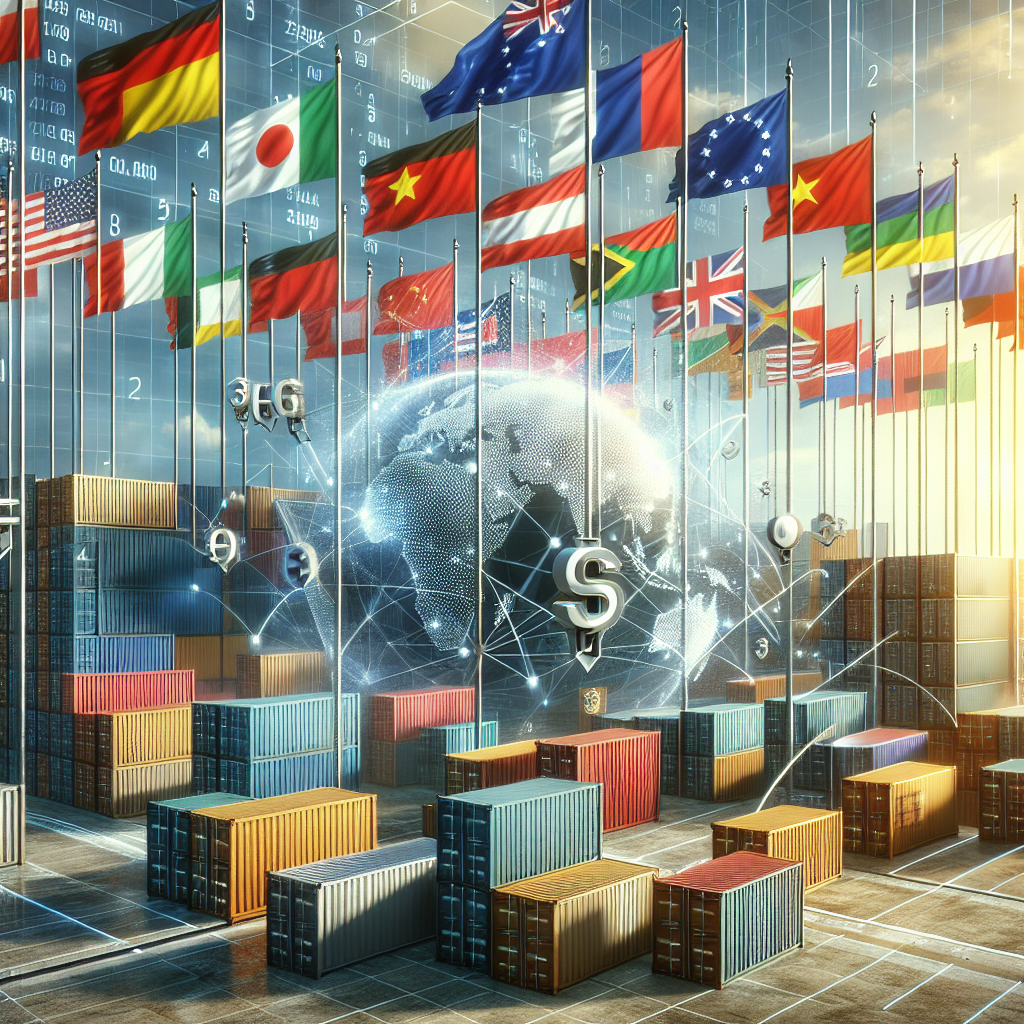
The significance of trade policies in shaping the global economy cannot be overstated. They serve as the framework within which international trade operates, dictating how goods and services are exchanged across borders. These policies are crucial for maintaining economic stability, fostering international cooperation, and promoting equitable growth among nations.
Firstly, trade policies are instrumental in influencing a country’s economic development. By establishing tariffs, quotas, and trade agreements, governments can protect domestic industries from foreign competition, nurture nascent sectors, and stimulate job creation. For instance, developing countries often use trade policies to shield emerging industries until they are robust enough to compete globally.
Moreover, trade policies are vital for ensuring fair competition and preventing trade imbalances. Through agreements, countries can negotiate terms that level the playing field, allowing for fair access to markets. This is essential in avoiding the pitfalls of protectionism, which can lead to trade wars and economic isolation.
Additionally, trade policies facilitate global cooperation and peace. By engaging in trade agreements, nations build interdependencies that can reduce the likelihood of conflicts. This economic interconnectedness is a cornerstone of global diplomacy, turning economic interests into a tool for fostering international harmony.
Finally, in the context of a rapidly changing global landscape, trade policies must adapt to address new challenges such as digital trade, environmental sustainability, and the rise of regional trading blocs. As such, understanding and participating in the formulation of these policies is imperative for any nation seeking to thrive in the global economy.
International trade agreements are pivotal in facilitating global commerce and fostering economic cooperation among countries. These agreements comprise several key elements that collectively define the rules and guidelines for international trade, aiming to create a fair and equitable trading environment.
One of the primary components is the establishment of tariffs and quotas. These elements regulate the taxes imposed on imported goods and the quantity of goods that can be traded, respectively. By setting these parameters, countries can protect domestic industries while allowing for a controlled flow of international goods.
Another crucial element is the inclusion of dispute resolution mechanisms. These provisions are essential for addressing conflicts that may arise between trading partners, ensuring that any disagreements are resolved in a manner that is fair and equitable to all parties involved. Such mechanisms help maintain the integrity and stability of international trade relations.
Additionally, trade agreements often encompass provisions on intellectual property rights. These clauses ensure that innovations, patents, and trademarks are protected across borders, encouraging creativity and investment in research and development. Protecting intellectual property is vital for fostering innovation and sustaining economic growth.
Moreover, trade agreements also cover labor and environmental standards. These elements are increasingly important as they ensure that trade is conducted responsibly, with respect for human rights and environmental sustainability. By including such standards, trade agreements contribute to the global push for sustainable development.
Finally, many trade agreements involve investment and services trade provisions. These elements facilitate the flow of capital and services across borders, promoting economic integration and growth. By addressing these comprehensive aspects, international trade agreements play a critical role in shaping the dynamics of global trade.
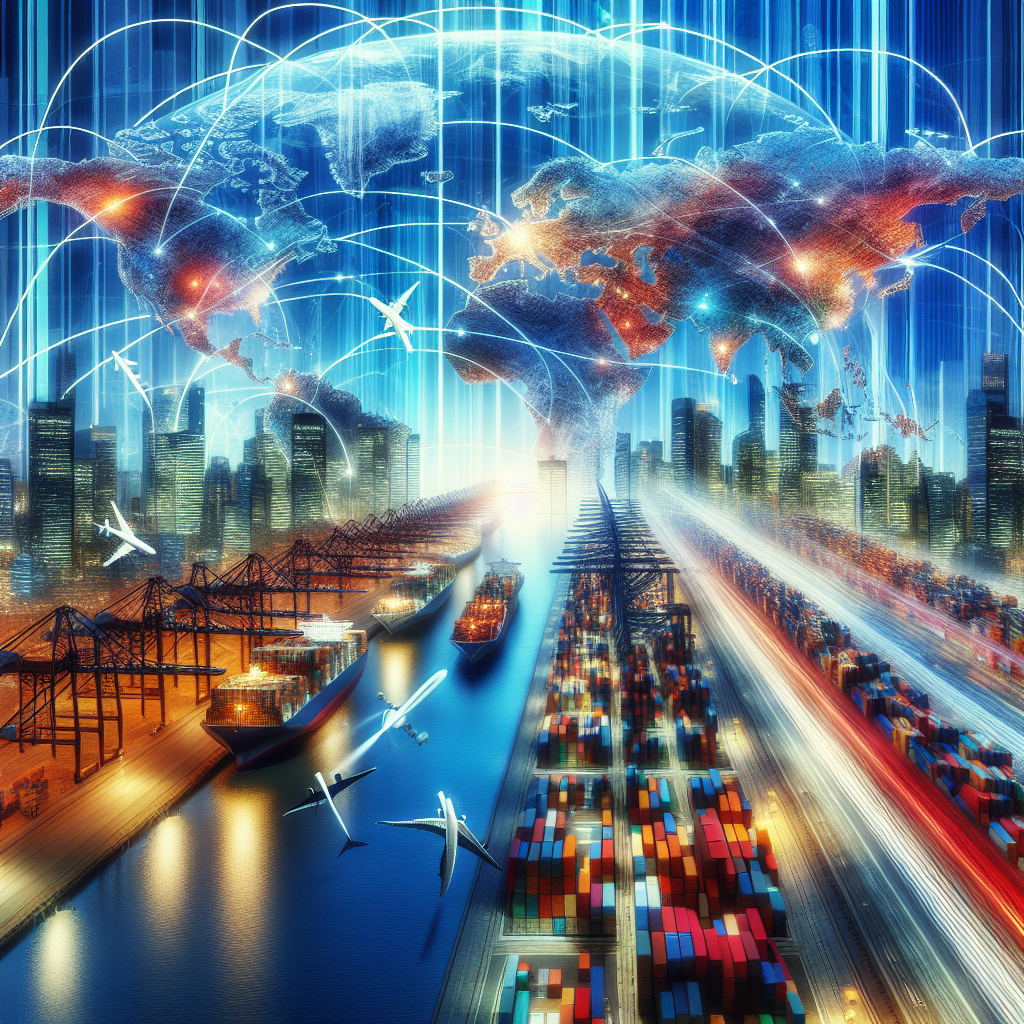
Tariffs and quotas are two of the most influential tools in international trade policies, wielding significant power over the dynamics of global markets. These instruments are designed to regulate the flow of goods across borders, impacting both the volume and the price of traded goods.
Tariffs, which are taxes imposed on imported goods, can have a profound effect on trade. They are often used to protect domestic industries by making imported goods more expensive, thus encouraging consumers to buy locally produced products. While this can bolster national industries and safeguard jobs, it can also lead to higher prices for consumers and retaliatory measures from trading partners, potentially sparking trade wars.
On the other hand, quotas are limits set on the quantity of a particular good that can be imported into a country. By capping imports, quotas can help domestic industries grow by reducing foreign competition. However, they can also lead to supply shortages and increased prices if demand outstrips the limited supply. In some cases, quotas might even encourage smuggling or market distortion as traders attempt to circumvent the restrictions.
The impact of tariffs and quotas extends beyond national borders, influencing global supply chains. For instance, when major economies implement high tariffs or restrictive quotas, it can disrupt the production of goods that rely on international components, causing ripple effects across multiple industries worldwide.
Despite their protective intent, tariffs and quotas can also lead to inefficiencies and reduced competitiveness in the long term. Industries shielded from competition may lack the incentive to innovate or improve productivity, potentially harming the very economy these policies aim to protect. Therefore, while tariffs and quotas are essential tools in shaping trade policies, they must be implemented with careful consideration of their broader economic implications.

The World Trade Organization (WTO) plays a pivotal role in shaping and regulating international trade policies, serving as the cornerstone of global trade governance. Established in 1995, the WTO is an international body that aims to ensure trade flows as smoothly, predictably, and freely as possible among member countries.
One of the primary functions of the WTO is to oversee the implementation and administration of multilateral trade agreements. These agreements form the legal ground rules for international commerce and are designed to open up markets, reduce barriers to trade, and promote non-discrimination in trade practices. By providing a framework for negotiations and settling trade disputes, the WTO helps maintain a level playing field for all its members.
The organization also acts as a forum for trade negotiations, where member countries come together to discuss and refine trade agreements. These negotiations can lead to the development of new trade rules that adapt to the changing dynamics of global commerce, such as digital trade and sustainability in trade practices. Through these discussions, the WTO facilitates the liberalization of trade, encouraging economic growth and development worldwide.
Additionally, the WTO’s dispute resolution mechanism is a critical component of its role. When trade conflicts arise, the WTO provides a structured process for resolving these disputes, ensuring that member countries adhere to agreed-upon trade rules. This mechanism helps prevent trade tensions from escalating into full-blown trade wars, promoting stability and predictability in international trade relations.
Despite its significant contributions, the WTO faces challenges such as addressing issues of fairness, adaptation to new economic realities, and the complexity of modern trade relationships. As global trade continues to evolve, the WTO’s ability to adapt and reform will be crucial in maintaining its effectiveness and relevance in shaping trade policies.
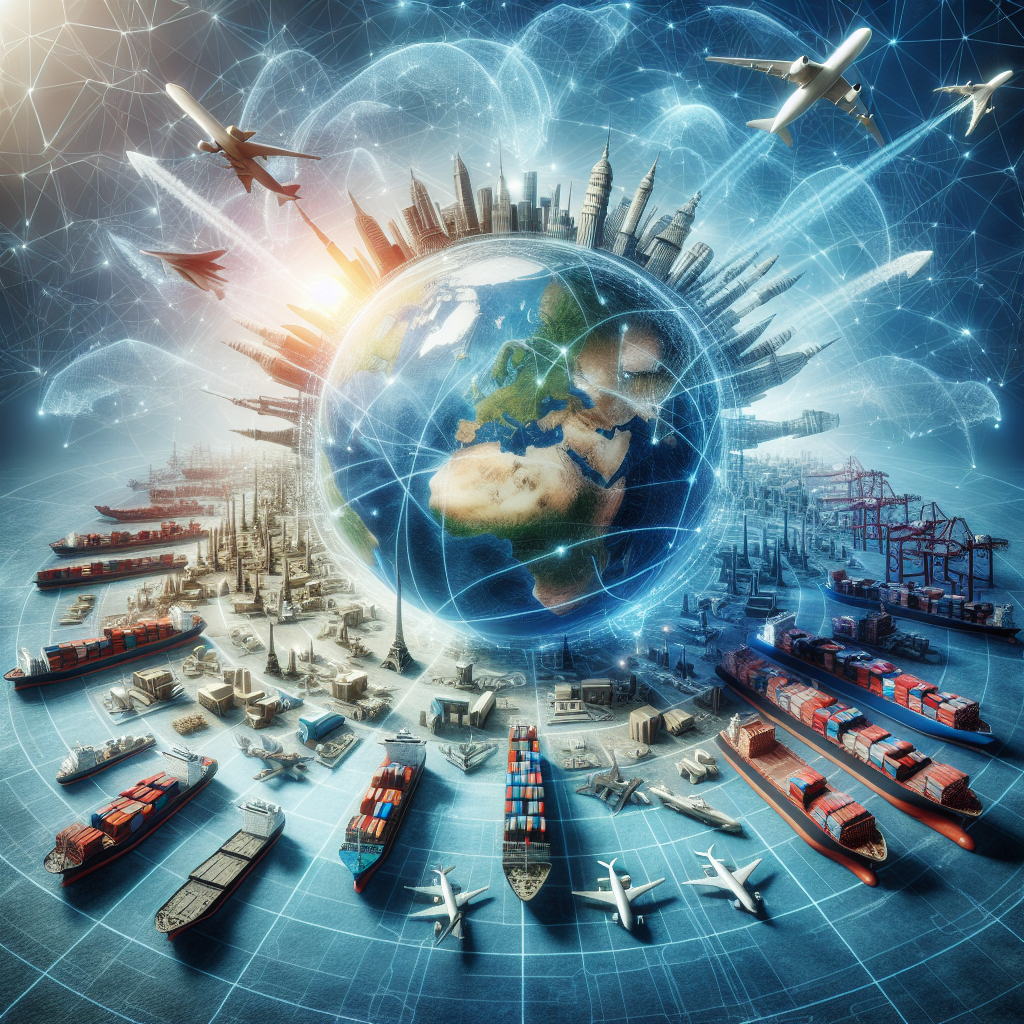
International trade policies are constantly evolving, facing numerous challenges while also presenting opportunities for the future. One of the most pressing challenges is the rise of protectionism and trade tensions among major economies. This trend threatens the liberal trade order established post-World War II, as countries increasingly resort to tariffs and other restrictive measures to protect domestic industries.
Another significant challenge is the integration of sustainable development goals into trade policies. As the world grapples with environmental concerns, there is a growing need to develop trade policies that support sustainable practices and promote green technologies. This requires international cooperation and innovative policy-making to balance economic growth with environmental preservation.
The rapid advancement of technology also poses a challenge and an opportunity for international trade policies. Digital trade and e-commerce are reshaping how goods and services are exchanged across borders. Policymakers must navigate the complexities of regulating digital trade while ensuring data protection and cybersecurity. This calls for updated trade agreements that address the nuances of the digital economy.
Looking towards the future, international trade policies must become more inclusive, addressing the needs of developing countries and ensuring equitable access to global markets. This involves reforming trade institutions and frameworks to be more responsive to the diverse economic realities of member states.
As these challenges unfold, staying informed and adaptable is crucial for businesses and policymakers. Stay ahead in global business and economics—explore cutting-edge research and insights with Global Business & Economics Journal. Subscribe today to unlock expert analyses, real-world case studies, and valuable trends that drive success in today’s interconnected marketplace.


At Global Business & Economics Journal, we contribute to the future of business and technology with news, innovative research, expert insights, and thought-provoking analysis.
