

Stay informed with the latest global economy news, covering key trends, market shifts, and economic forecasts shaping the world.
The *global economy* is a dynamic and ever-evolving entity, influencing every facet of our lives—from the prices of goods and services to the availability of jobs and investment opportunities. In recent years, the interconnectedness of economies worldwide has become more pronounced, with shifts in one region often sending ripples across the globe. As such, staying informed with the **latest global economy news** is not just advantageous; it’s essential for businesses, policymakers, and individuals alike.
Understanding the nuances of global economic developments can empower decision-makers to anticipate market trends, identify emerging opportunities, and mitigate potential risks. Whether it’s fluctuations in currency markets, changes in trade policies, or technological advancements reshaping industries, each piece of news can have far-reaching implications. This awareness is crucial for crafting strategies that align with the current economic landscape.
The *Global Business & Economics Journal* stands at the forefront of delivering **cutting-edge research** and insights that illuminate these complex economic dynamics. With a commitment to fostering informed decision-making, our platform offers expert analyses and real-world case studies that capture the intricacies of the modern marketplace. Stay ahead in global business and economics—subscribe today to unlock valuable trends that drive success in today’s interconnected world.

As we navigate through the complexities of the *global economy*, understanding current trends in global markets is crucial for businesses and investors alike. One of the most significant trends is the accelerated shift towards digitalization, driven by technological advancements and the ongoing effects of the COVID-19 pandemic. This transformation is not only altering consumer behavior but also reshaping entire industries, leading to increased investments in digital infrastructures and e-commerce platforms worldwide.
Another noteworthy trend is the emphasis on **sustainability and green technologies**. With climate change concerns rising to the forefront, governments and corporations are prioritizing sustainable practices and renewable energy sources. This shift is evident in the growing demand for electric vehicles, sustainable agriculture, and green building technologies, which are becoming integral to the global economic agenda.
Moreover, geopolitical tensions and trade policies continue to influence market dynamics. The ongoing trade negotiations between major economies such as the United States and China, along with economic policies in the European Union, play a pivotal role in shaping the movement of goods, services, and capital across borders. These factors contribute to market volatility but also present opportunities for strategic positioning.
In sum, staying abreast of these **current trends** provides a competitive edge, enabling stakeholders to make informed decisions that align with the evolving global environment. By recognizing and adapting to these shifts, businesses can harness opportunities for growth and innovation in an increasingly interconnected world.
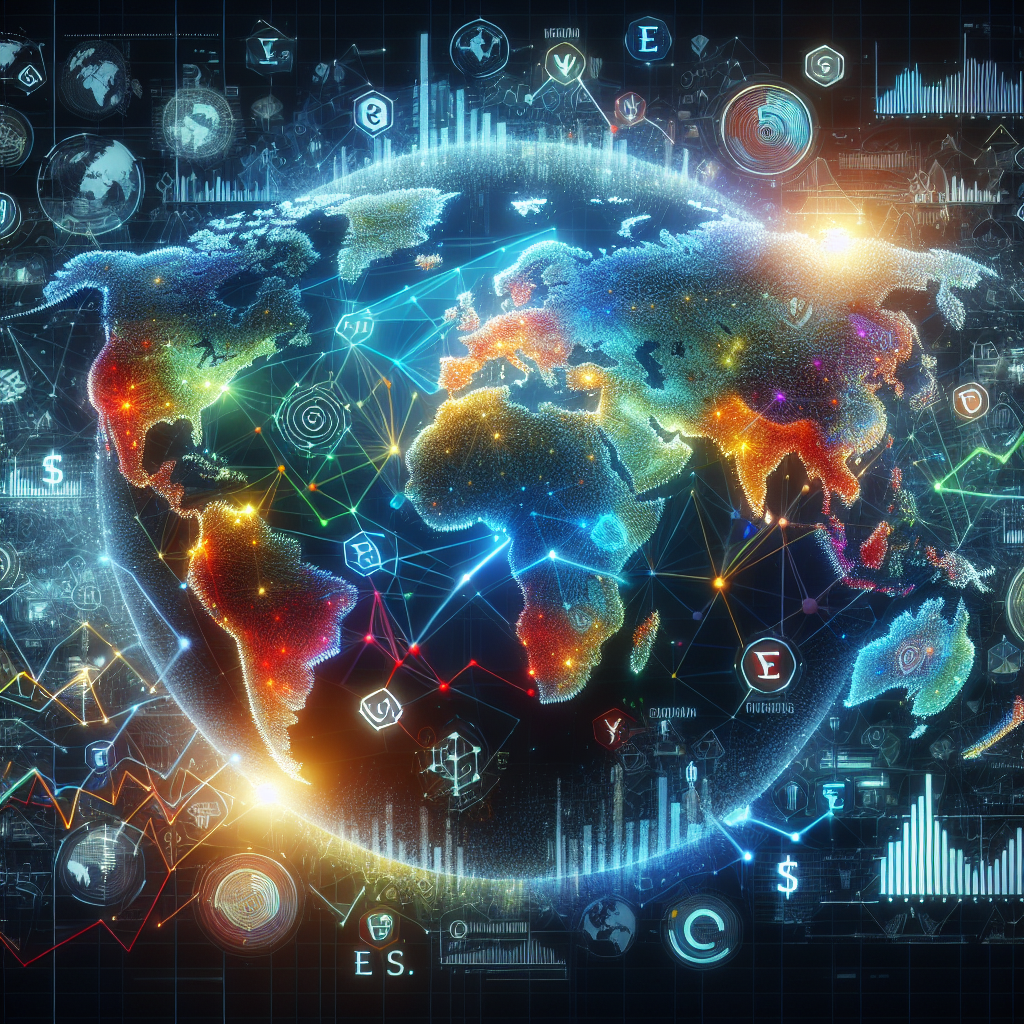
The *impact of economic policies* on the global economy cannot be overstated, as they shape the environment in which businesses operate and thrive. In recent years, the implementation of monetary and fiscal policies has been pivotal in steering economies through turbulent times. Central banks worldwide have employed measures such as interest rate adjustments and quantitative easing to stimulate growth and curb inflation, particularly in response to the challenges posed by the COVID-19 pandemic.
**Fiscal policies**, on the other hand, have focused on government spending and tax initiatives to boost economic activity. Countries have introduced stimulus packages and relief measures to support businesses and individuals affected by economic disruptions. These policies aim to stabilize economies by enhancing liquidity, protecting jobs, and reviving consumer confidence.
Trade policies, too, have significant repercussions on global markets. The imposition of tariffs, trade agreements, and regulatory standards can either facilitate or hinder international trade. The recent focus on reshoring and diversifying supply chains highlights the strategic importance of trade policies in ensuring economic resilience.
Furthermore, **environmental regulations** are increasingly influencing economic policies, with governments striving to balance economic growth with sustainability goals. Carbon pricing, emission trading systems, and subsidies for renewable energy are examples of how policies are being crafted to address climate change while fostering a greener economy.
Understanding the nuances of these economic policies is crucial for businesses and investors, as they navigate an ever-evolving landscape. By aligning their strategies with policy directions, they can better anticipate market changes and capitalize on emerging opportunities in the global economy.

Monitoring **key economic indicators** is essential for understanding the health and trajectory of the global economy. These indicators provide valuable insights into economic performance and help predict future trends. Among the most prominent indicators are *Gross Domestic Product (GDP)*, inflation rates, and employment figures.
**GDP** is a comprehensive measure of a country’s economic activity, reflecting the value of all goods and services produced over a specific period. A rising GDP generally signifies economic growth, while a declining GDP may indicate a recession. Policymakers, investors, and businesses closely track GDP fluctuations to gauge economic momentum.
**Inflation rates** are another critical indicator, representing the rate at which the general level of prices for goods and services is rising. Central banks often adjust monetary policies based on inflation trends to stabilize purchasing power and maintain economic equilibrium. A moderate level of inflation is typically associated with healthy economic growth, whereas hyperinflation or deflation can cause significant economic challenges.
**Employment figures**, including the unemployment rate, provide insights into labor market conditions. A low unemployment rate usually suggests a robust economy with ample job opportunities, whereas high unemployment can signal economic distress. Labor force participation rates and job creation statistics are also important metrics to assess the overall employment landscape.
Other vital indicators include consumer confidence indices, interest rates, trade balances, and stock market performance. By keeping a close eye on these indicators, businesses and investors can make informed decisions and devise strategies that align with economic realities, thus ensuring resilience and growth in an ever-changing global marketplace.
In the intricate web of the *global economy*, trade developments and challenges play a pivotal role in shaping economic landscapes. Recent years have witnessed significant shifts in trade dynamics, driven by factors such as technological advancements, geopolitical tensions, and evolving consumer preferences. Understanding these changes is crucial for businesses and policymakers seeking to navigate the complexities of international commerce.
One of the most prominent developments in global trade is the rise of **digital trade**. The proliferation of e-commerce platforms and digital services has transformed how goods and services are exchanged across borders. This shift has opened new markets for businesses but also introduced challenges related to data privacy, cyber security, and digital taxation.
**Geopolitical tensions** also continue to impact global trade, with recent trade disputes and tariff wars underscoring the fragile nature of international relations. These conflicts can lead to increased costs for businesses and disrupt supply chains, necessitating strategic adjustments to mitigate risks. Trade agreements and negotiations thus remain critical, as they aim to foster cooperation and reduce barriers to trade.
Moreover, the focus on **sustainability** and ethical practices is reshaping global trade policies. Consumers and governments are increasingly demanding environmentally friendly and socially responsible products, prompting businesses to adopt sustainable practices. This trend presents both opportunities and challenges, as companies must balance profitability with ethical considerations.
The ongoing **COVID-19 pandemic** has further highlighted vulnerabilities in global trade, exposing dependencies on specific regions for critical supplies. This has led to renewed discussions on diversifying supply chains and increasing self-reliance to enhance resilience against future disruptions.
In this context, staying informed about global trade developments and challenges is essential for stakeholders to capitalize on opportunities and navigate potential pitfalls in the ever-evolving global trade environment.
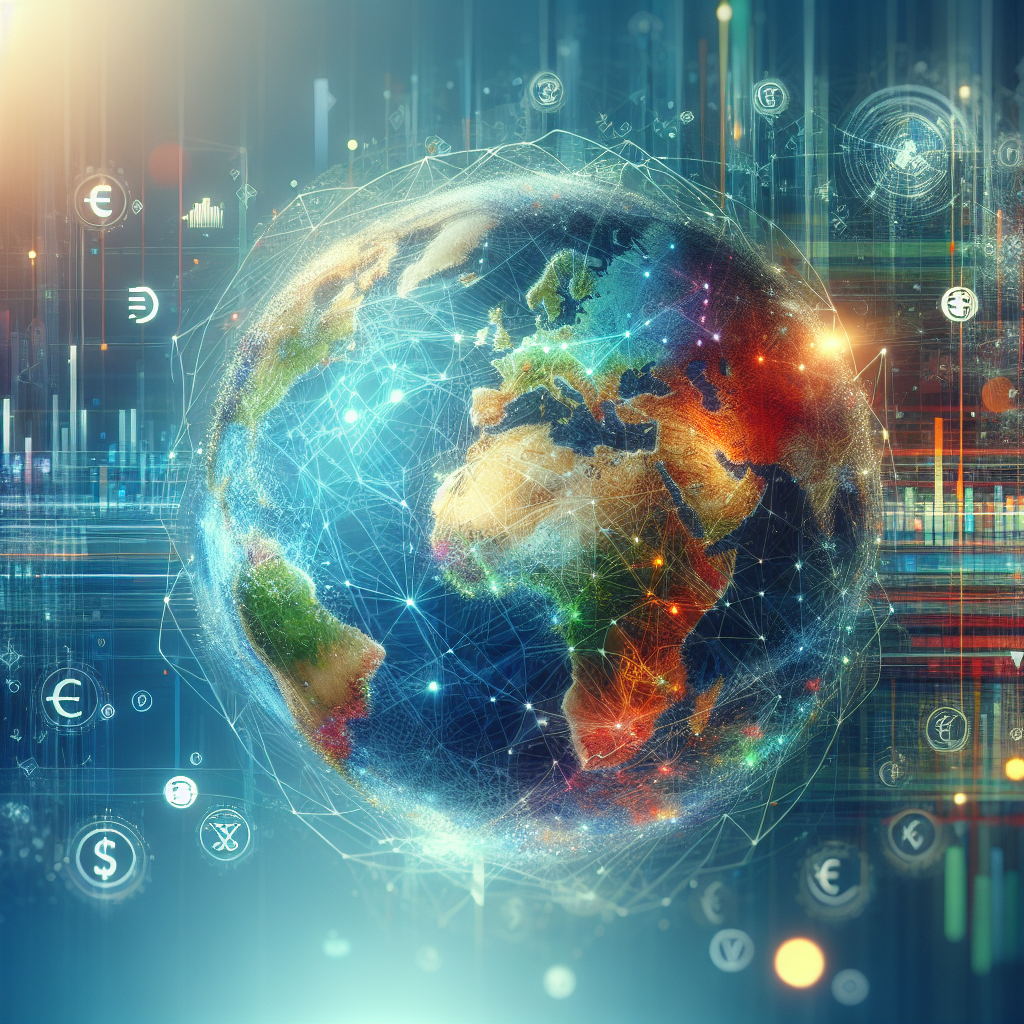
As the world enters a new decade, the *future outlook for the global economy* is a topic of intense speculation and analysis. With rapid technological advancements, shifting demographic trends, and evolving geopolitical landscapes, the trajectory of the global economy is poised for transformative change. Understanding these dynamics is essential for businesses, policymakers, and investors to strategize effectively.
**Technological innovation** stands at the forefront of future economic prospects. The integration of artificial intelligence, automation, and digitalization across industries is expected to boost productivity and drive growth. However, these advancements also present challenges, such as job displacement and the need for upskilling the workforce to align with the demands of a digital economy.
**Demographic shifts** will also play a crucial role in shaping economic futures. Aging populations in developed countries and burgeoning youth demographics in emerging economies will influence labor markets, consumption patterns, and investment opportunities. Addressing these demographic changes will require targeted policies and innovative business strategies.
Moreover, the **climate crisis** is an urgent challenge that will define the global economic landscape. Transitioning to a low-carbon economy and addressing environmental concerns will demand significant investments and structural changes across sectors. This transition offers potential for green growth and innovation, but also necessitates coordinated international efforts to overcome hurdles.
In navigating these complexities, decision-makers must remain agile and informed. The role of **global cooperation** is paramount, as countries must collaborate to tackle shared challenges and harness collective opportunities. As such, the future outlook for the global economy is both daunting and promising, with pathways that require careful planning and proactive engagement.
Stay ahead in global business and economics—explore cutting-edge research and insights with Global Business & Economics Journal. Subscribe today to unlock expert analyses, real-world case studies, and valuable trends that drive success in today’s interconnected marketplace. Visit our website at https://gbej.org to learn more.


At Global Business & Economics Journal, we contribute to the future of business and technology with news, innovative research, expert insights, and thought-provoking analysis.
